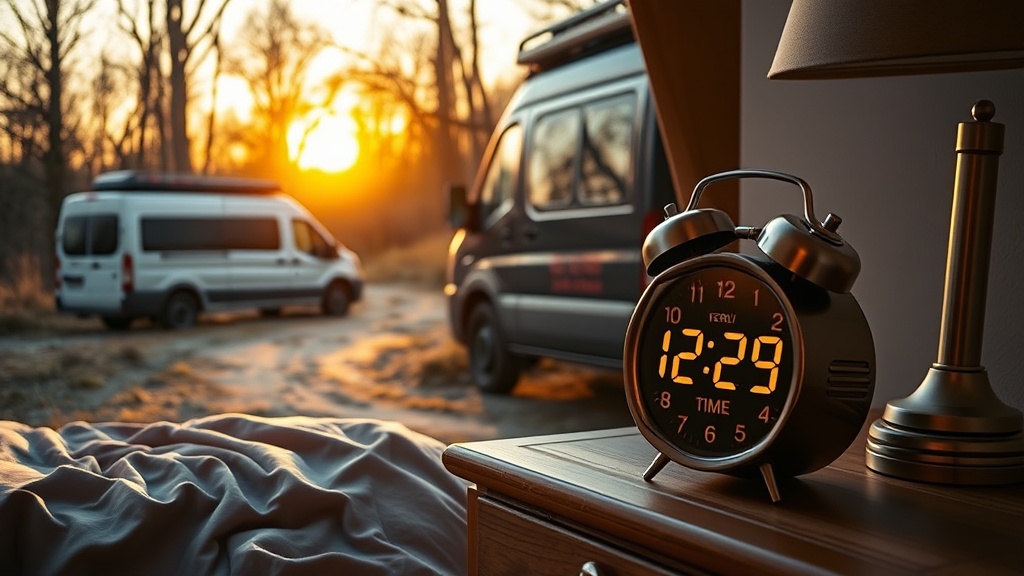
Daylight Saving Time Reset: Expert Tips to Align Your Sleep Cycle and Boost Spring Productivity
Ever feel like the clock jumps forward and your body refuses to catch up? The extra hour of daylight can feel like a productivity super‑power—if you can actually use it. Let’s break down how to reset your sleep cycle fast, harness natural light, and turn the DST shift into a spring‑time performance boost.
Why the DST Shift Matters for Your Body and Your Gear
Daylight Saving Time isn’t just a calendar quirk; it’s a physiological reset. When the clock springs forward, we lose an hour of sleep, which throws off our circadian rhythm—the internal clock that regulates hormone release, body temperature, and even how efficiently we metabolize food. A misaligned rhythm can sap focus, increase injury risk on the trail, and make that extra daylight feel like a curse rather than a gift.
"Consistent sleep‑wake timing is the single most powerful lever for health and performance," says Dr. Sarah Miller, senior researcher at the National Sleep Foundation.
Below are the science‑backed steps you can take right now to reclaim that hour, boost your spring productivity, and keep your gear (and you) in peak condition.
How Can I Shift My Sleep Schedule in Just One Week?
1. Gradual Bedtime Advancement
Instead of a sudden 60‑minute jump, move your bedtime earlier by 15 minutes each night for four nights. This eases your body into the new schedule without triggering the dreaded "sleep‑in‑the‑middle‑of‑the‑night" crash.
- Why it works: Your suprachiasmatic nucleus (the brain’s master clock) responds to consistent light cues. Small shifts prevent a hard reset shock.
- Tip: Set a gentle alarm for the new bedtime and use a dim red night‑light if you need to get up.
2. Optimize Light Exposure
Morning light is the fastest way to advance your circadian phase. As soon as you’re up, spend 20‑30 minutes outside under natural sunlight. If the weather’s gray, a bright‑light therapy box (10,000 lux) works just as well.
- Science note: Light exposure suppresses melatonin, the sleep hormone, signaling to your brain that it’s daytime.
- Practical hack: Place your coffee maker by a sunny window—brew, sip, and soak up the rays.
What Light‑Management Tricks Can I Use After Sunset?
3. Dim the Evening Light
In the two hours before bed, lower ambient light to <50 lux. Swap bright LEDs for warm‑tone bulbs, and avoid screens or use a blue‑light filter.
- Why: Blue wavelengths delay melatonin release, pushing your sleep onset later.
- Gear tip: Your headlamp’s low‑mode (often set to 200 lumens) is perfect for campsite chores after dark without overstimulating your eyes.
4. Leverage the Extra Evening Daylight
DST gives you an hour of evening light—use it wisely. Schedule active tasks (workouts, gear maintenance, planning) during this window rather than scrolling on a phone.
- Benefit: Physical activity in daylight further reinforces a morning‑oriented rhythm.
- Example: Do a quick 15‑minute mobility routine on your trail‑ready mat while the sun is still up.
How Do I Keep My Energy High Throughout the Longer Days?
5. Strategic Naps and Caffeine Timing
A 20‑minute power nap in the early afternoon can offset the morning sleep loss without disrupting nighttime sleep. Pair it with caffeine before 2 p.m. only.
- Research: A 2024 Harvard Health study shows that early‑afternoon caffeine improves alertness without affecting sleep latency when used before 2 p.m.
6. Hydration and Nutrition Reset
Dehydration mimics fatigue. Drink 500 ml of water within 30 minutes of waking, and include magnesium‑rich foods (nuts, leafy greens) to support muscle recovery after the night’s shorter rest.
- Pro tip: Pack a lightweight hydration pack in your van—easy to refill on the trail.
What Should I Do If My Body Still Feels Out of Sync?
7. Track and Tweak with a Sleep Log
Record bedtime, wake time, light exposure, and how you feel each day. After a week, identify patterns and adjust.
- Tool suggestion: The free SleepScore app provides a visual rhythm chart and personalized recommendations.
8. When to Seek Professional Help
If you experience persistent insomnia, severe daytime drowsiness, or mood swings beyond two weeks, consult a sleep specialist. Underlying sleep disorders (e.g., delayed sleep‑phase syndrome) can be aggravated by DST.
How Does This Connect to Gear Longevity?
A well‑rested body makes better decisions about equipment care. When you’re alert, you’re less likely to mishandle delicate components like headlamp batteries or fabric‑sealed rain shells—the very gear we dissect in our recent posts.
- Related reading: Check out our deep‑dive on The 15‑Degree Lie: Your Sleeping Bag’s Temperature Rating Is a Lab Fantasy for how proper sleep environments affect gear performance.
- Bonus: Our Spring Refresh: Declutter Your Space to Boost Longevity in 2026 guide shows how an organized camp setup reduces stress, letting you focus on rest.
Takeaway
The DST jump doesn’t have to be a setback. By advancing bedtime gradually, mastering light exposure, and using the extra evening daylight for purposeful activity, you’ll align your circadian rhythm, sharpen focus, and keep both yourself and your gear in top shape for the long spring hikes ahead.
Ready to reset? Start tonight: set your alarm 15 minutes earlier, step outside at sunrise, and watch your productivity climb as the days get longer.
References
- National Sleep Foundation, Sleep Timing and Health (2023) – https://www.sleepfoundation.org/sleep-timing-and-health
- CDC, Daylight Saving Time and Health (2024) – https://www.cdc.gov/dst/health
- Harvard Health Publishing, Caffeine and Sleep (2024) – https://www.health.harvard.edu/staying-healthy/caffeine-and-sleep
- SleepScore Labs, How to Use a Sleep Log (2025) – https://www.sleepscore.com/blog/sleep-log-guide
Meta FAQ (optional)
{
  "meta": {
    "faqs": [
      {"question": "How many minutes should I shift my bedtime each night?", "answer": "Aim for 15 minutes per night for four nights to reach the full hour shift without disrupting sleep quality."},
      {"question": "Can I use a phone screen as a light‑therapy source?", "answer": "Better to use a dedicated 10,000 lux light‑therapy box; phone screens emit insufficient intensity and the wrong spectrum."},
      {"question": "Is it okay to nap after the DST change?", "answer": "A short 20‑minute power nap in the early afternoon can boost alertness and won’t interfere with nighttime sleep if taken before 3 p.m."}
    ]
  }
}