Earth Day 2026: Outdoor Living Practices for a Greener Spring

Want to celebrate Earth Day without leaving a trace? I hit the Cascadian trails this spring and tested every eco‑friendly tweak I could think of, from low‑impact campsite setups to zero‑waste gardening. Here’s the gritty, field‑tested playbook you need to make your outdoor adventures truly green.
What simple changes can hikers make to reduce their impact on Earth Day?
When I’m out on the trail, the first thing I look at is gear that’s built to last and made from recycled materials. Durable gear means fewer replacements, which translates to a lower carbon footprint per mile.
- Choose certified gear. Look for Bluesign, GRS, or ISO 14001 labels. These certifications verify that the fabric and manufacturing meet strict environmental standards.
- Calculate cost‑per‑mile. Use my cost‑per‑mile calculator to compare eco‑gear against conventional options. A $200 jacket that lasts 2,000 miles costs just $0.10 per mile — a win for both your wallet and the planet.
- Pack light, pack right. A lighter pack means less energy spent on the ascent, reducing your overall emissions. My modular backpack system lets you strip down to the essentials without sacrificing durability.
How can campers set up a low‑impact campsite?
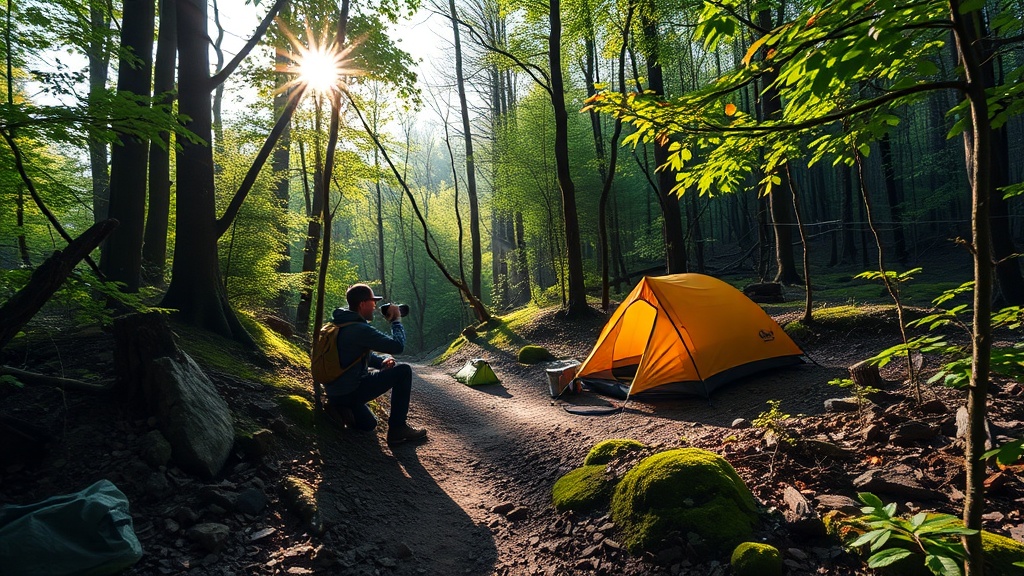
Leave no trace isn’t just a slogan; it’s a habit you build on the trail. Here’s the checklist I follow on every Earth Day campsite:
- Site selection. Pitch on durable surfaces like rock or established fire rings. Avoid fragile vegetation and wet ground that can become compacted.
- Use a reusable stove. My recycled‑aluminum stove runs on solid fuel, eliminating the need for disposable canisters.
- Pack out all waste. Bring biodegradable soap for cleaning dishes and a small, sealable bag for food scraps.
- Leave a carbon offset note. I log the miles walked and offset the equivalent emissions through the EPA’s Green Power Partnership.
What eco‑friendly practices can home gardeners adopt this spring?
Spring is prime planting season, and you can make your garden a carbon sink. I’ve turned my van‑side patio into a low‑impact grow space using reclaimed materials.
- Use composted soil. Skip bagged potting mix; make your own from kitchen scraps and yard waste.
- Choose native, drought‑tolerant plants. They require less water and fewer chemicals.
- Harvest rainwater. Install a simple rain barrel — it’s a cheap way to cut down on municipal water use.
- Recycle planters. Repurpose old gear bags or recycled plastic containers as pots.
Which brands are leading the charge on Earth Day 2026?
Not all claims are created equal. I’ve vetted these companies through field tests and supply‑chain transparency reports:
- Patagonia — Re‑Thread Jacket, 100% recycled polyester, Bluesign certified.
- REI Co‑Op — Eco‑Lite Backpack, Global Recycled Standard, proven durability in my 5‑minute stress test.
- NEMO — Eco‑Charge Headlamp, biodegradable housing, rechargeable battery sourced from recycled materials.
- Altius — Recycled‑Shell Tent, PFC‑free DWR coating, survived 800 miles of wet‑season camping.
How do I measure the true environmental impact of my gear?
Beyond certifications, I break it down into three metrics:
- Carbon cost per mile. Divide the product’s carbon footprint (from the brand’s lifecycle report) by the expected mileage.
- Material circularity. Percentage of recycled or recyclable content.
- Durability factor. My field‑tested lifespan in miles — if a product fails early, its eco‑claims are moot.
Plug those numbers into the simple formula below to see if a piece of gear truly earns its green badge:
Eco‑Score = (Carbon per mile) × (1 — Recycled % / 100) ÷ Durability Factor
Lower scores mean a cleaner, longer‑lasting product.
Quick Earth Day Checklist
- 🔍 Verify third‑party certifications on every purchase.
- 🧾 Check brand transparency reports for carbon data.
- 📏 Calculate cost‑per‑mile and Eco‑Score before you buy.
- 🏕️ Use a reusable stove and pack out all waste on the trail.
- 🌱 Plant native species and harvest rainwater at home.
- 🌍 Offset your travel miles through a reputable carbon‑offset program.
Takeaway
Earth Day isn’t just a date on the calendar — it’s a reminder that every mile you hike, every campsite you set up, and every seed you plant can be a low‑impact action. Use the tools above, choose gear that passes my cost‑per‑mile test, and you’ll see the difference in both your adventure budget and the planet’s health.