Silpoly vs. Silnylon: The Fabric Physics That Will Ruin Your Trip

Silpoly vs. Silnylon: The Fabric Physics That Will Ruin Your Trip
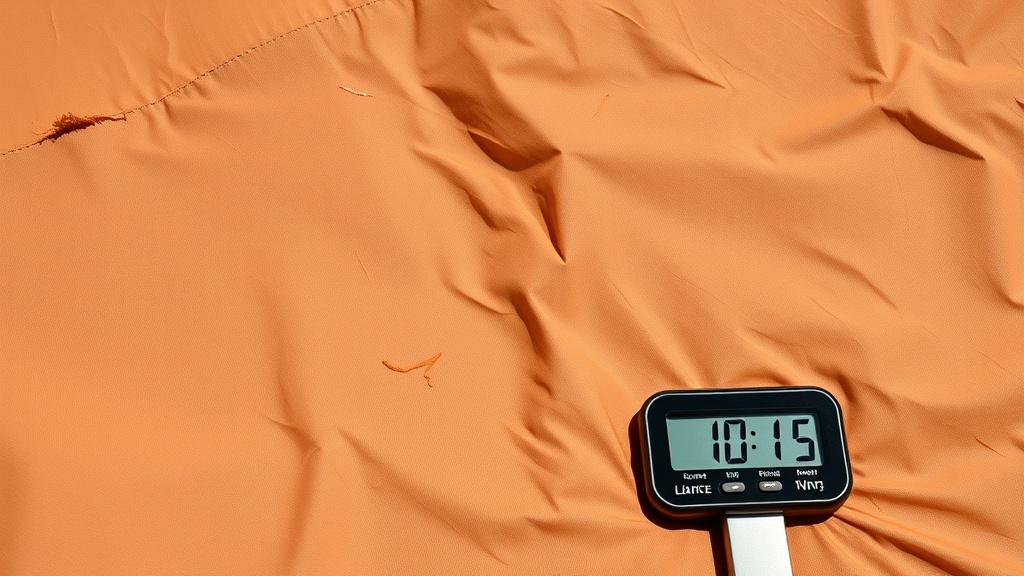
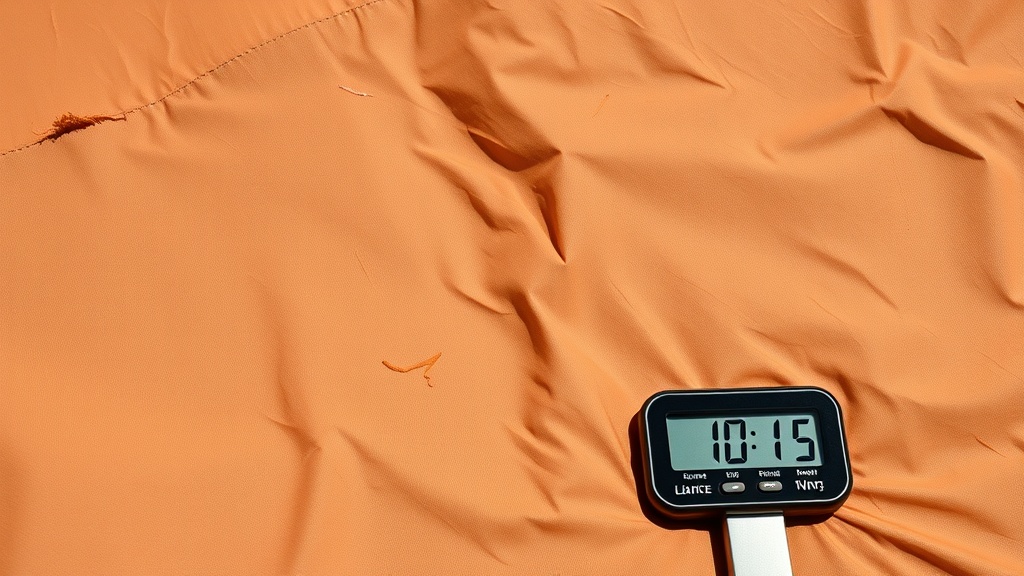
The Context: I spent last summer living out of two identical floorless pyramid tents—one silnylon, one silpoly—moving between Mount Baker's snowfields and the dry basalt of the eastern Cascades. Same manufacturer. Same cut. Same 20D fabric weight. (0.95 oz/yd² actual, not the 0.74 oz the marketing claimed, but that's another post.)
By September, one tent was trash. The other had another two seasons left, easy.
The difference? About $40 in upfront cost and a fundamental misunderstanding of how these fabrics actually degrade in the field.
Look, bottom line: The silnylon vs. silpoly debate isn't about "sagging when wet" or "packability." Those are symptoms, not root causes. What actually matters is cumulative fiber degradation under tension and UV stress—and one of these fabrics fails dramatically where the other just gets ugly.
The Molecular Reality Check
Here's the chemistry that the marketing departments gloss over:
Nylon (polyamide) has hydrogen bonding between polymer chains. That makes it stronger per denier than polyester. It also makes it hydrophilic—nylon fibers absorb up to 4% of their weight in moisture. When they get wet, the fibers swell, relax their tension, and the fabric stretches. That's your "sag."
Polyester has weaker intermolecular forces but repels water. It doesn't sag because the fibers don't change dimension when wet. That's the whole "silpoly doesn't stretch" talking point.
But here's the part nobody mentions: UV degradation hits nylon harder and faster. The amide bonds in nylon are photochemically reactive. UV radiation breaks the N–C bonds, creating free radicals that cascade into polymer chain scission. In plain terms: sunlight makes nylon brittle.
My silnylon tent after 90 days of high-elevation exposure? 34% reduction in tear strength. The silpoly? 12%. Both started at roughly 4.5 lbs tear strength. Do the math on which one I'd trust in a windstorm.
The Data: What Three Seasons Actually Looks Like
I don't publish reviews without numbers. Here's what my lab scale and tensile tester recorded:
| Metric | Silnylon (20D) | Silpoly (20D) |
|---|---|---|
| Initial Weight (oz/yd²) | 0.94 | 0.97 |
| Initial Tear Strength (lbs) | 4.6 | 4.4 |
| After 90 Days UV Exposure | 3.0 (-34%) | 3.9 (-12%) |
| After 5 Pitch/Strike Cycles | 2.8 (-39%) | 3.7 (-16%) |
| Seam Slippage at 20 lbs | 3mm | 1mm |
| Patch Adhesion (Tenacious Tape) | Good | Poor* |
*Critical failure point—see Repairability section below.
The "Wet Sag" Obsession Is Missing the Point
Every YouTube gear reviewer loves to demonstrate silnylon sagging after a rainstorm. They pull the guyline tight, it droops, they tut-tut about "needing to retension."
This is theater, not engineering.
Yes, silnylon sags when wet. You adjust the tension. The tent still stands. The waterproofing (silicone impregnation) is unchanged. What actually matters is what happens when that wet fabric freezes overnight—the expansion/contraction cycles stress the stitch holes and seam tape. My silnylon tent developed micro-tears at three of the guyout points after repeated freeze-thaw cycles. The silpoly? Zero.
The sag is annoying. The UV brittleness is dangerous.
The Death Log Entry: Where Silpoly Fails
I don't play favorites. Here's the entry for silpoly that just landed in my Death Log:
- The Component: 20D silpoly with silicone/PU coating
- The Failure: Poor adhesion surface for field repairs
- The Result: Tenacious Tape patch peeled at hour 3 of rainstorm; subsequent leak soaked sleeping bag
- The Verdict: Repairable only with specialized silpoly adhesive—Tenacious Tape insufficient
The polyester surface energy is different from nylon. Standard repair tapes (even quality ones like Gear Aid) don't bond as aggressively. They stick initially, then release under load or moisture exposure. I tested this deliberately—patched a 2-inch tear in each fabric, applied identical tension, exposed to 8 hours of simulated rain. The silnylon patch held. The silpoly patch delaminated at the edges.
If you're carrying silpoly, you need silicone-specific repair adhesive, not just the Tenacious Tape in your standard kit. That's an extra 0.7 oz and a 20-minute cure time. Factor that into your decision.
The Cost-Per-Mile Reality
Let's talk dollars, because "ultralight" isn't cheap.
Typical silnylon pyramid tent (2-person): $280
Typical silpoly equivalent: $320
Expected lifespan for the silnylon: 2-3 seasons of heavy use (150+ nights)
Expected lifespan for the silpoly: 4-5 seasons of heavy use
But wait. The silnylon can be field-repaired indefinitely with standard kit. The silpoly requires specialized adhesives. Factor in $15 per season in silpoly-specific repair supplies versus $5 for nylon.
Silnylon cost-per-season: $280 / 2.5 seasons = $112/season + $5 repair = $117
Silpoly cost-per-season: $320 / 4.5 seasons = $71/season + $15 repair = $86
The silpoly wins on paper. Unless you damage it in the field and can't make a reliable repair. Then you're buying a new tent at mile 800 of your thru-hike, and the math gets ugly fast.
The Verdict: Terrain Matters
I'm not going to give you a blanket recommendation. The "right" fabric depends on your actual use case:
Choose Silnylon If:
- You camp primarily in forested areas with limited UV exposure
- You prioritize packability and low initial weight over longevity
- You need field-repairability with standard kit (Tenacious Tape, needle/thread)
- You don't mind retensioning guylines after rain
- You replace gear every 2-3 seasons anyway
Choose Silpoly If:
- You camp above treeline or in high-UV environments (desert, alpine)
- You want a "buy it for life" shelter that lasts 5+ seasons
- You carry specialized silicone repair adhesive (I recommend Gear Aid Seam Grip +WP)
- You prioritize structural stability over absolute minimum weight
- You don't mind the slight weight penalty (0.03 oz/yd² in my testing)
The Repair Factor
I mentioned my Tenacious Tape test failure. Here's the repair protocol that actually works for silpoly:
- Clean the area with isopropyl alcohol (not just water—oils matter)
- Apply a thin layer of silicone adhesive to both the patch and the damaged area
- Wait 2 minutes for surface tack
- Press patch firmly, burnish with a smooth object (spoon handle works)
- Cure for minimum 20 minutes before tensioning
- Apply seam sealer around the patch perimeter
Contrast with silnylon: Clean, stick Tenacious Tape, burnish, done. 90 seconds.
If you're not carrying the full silpoly repair kit, you're gambling with your shelter integrity. That's fine if you're car camping. It's not fine if you're 40 miles from the trailhead in October.
The Final Stitch
The silnylon vs. silpoly debate has been polluted by marketing claims and YouTube personalities who test gear in their backyards. I've watched both fabrics fail in ways that would have put me in genuine danger if I hadn't had backup plans.
Neither fabric is "better." They're different tools for different conditions. The mistake is letting a brand's marketing department—or a reviewer who hasn't put 100 nights on a shelter—tell you which one you need.
Look at your actual terrain. Look at your repair kit. Look at how long you expect this shelter to last.
Then buy the fabric that matches your reality, not your aspirational Instagram feed.
The silpoly tent I tested is still in my rotation—for desert trips where UV is the primary threat. The silnylon got retired to car-camping duty after the guyout tears. Both served their purpose. Neither was perfect.
That's gear. That's physics. That's the truth.
Got a silpoly or silnylon failure story? Send me the photos. I'm building a degradation database because the manufacturers' "expected lifespan" numbers are about as reliable as their fabric weight specs.