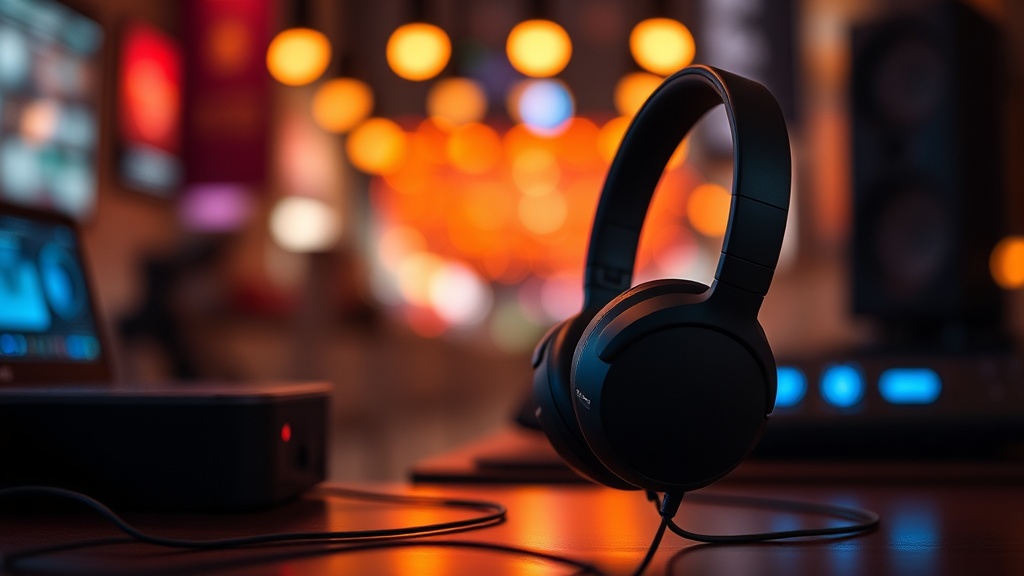
Sony WH-1000XM5 Review: Are They Still the Noise-Canceling Kings in 2024?

What Makes the Sony WH-1000XM5 Different from Previous Models?
Sony completely redesigned these cans. The WH-1000XM5 ditches the folding hinge for a cleaner, more minimalist look. You'll notice immediately — the headband is narrower, the ear cups sit differently, and the whole package feels more... Apple-esque. Some love it. Others miss the fold-flat portability of the XM4.
The internal changes matter more than the aesthetics. Sony swapped the dual processor setup for a single V1 chip paired with a new 30mm driver. (Yes — smaller than the 40mm units in the XM4. Counterintuitive, but stay with me.) The noise-canceling mics doubled from four to eight, arranged to better capture ambient sound before it hits your ears.
Here's the thing: this isn't an incremental update. The XM5 represents a fundamental rethink of how Sony approaches portable audio. The cost? These don't fold in half anymore. They rotate flat, sure, but that case is bulkier. For van life — where every cubic inch counts — that's a genuine trade-off.
How Good Is the Noise Canceling on the Sony WH-1000XM5?
It's the best Sony has ever produced — and among the finest available in consumer headphones.
The eight microphones and improved algorithms work together to crush low-frequency rumble. Jet engines? Gone. Diesel generators at a trailhead? Barely perceptible. The WH-1000XM5 handles mid-range frequencies (voices, keyboard clatter) better than the XM4 too. In a crowded coffee shop in Moab, these created a genuine bubble of silence.
Sony's Auto NC Optimizer still adjusts based on altitude, head position, and even whether you're wearing glasses. (The seal matters — a lot.) There's no manual slider in the app anymore, which annoys some users. The headphones decide how much canceling you need.
Worth noting: the Apple AirPods Max still edges out the XM5 on voice cancellation specifically. That said, Sony wins on overall versatility — especially for travelers who encounter unpredictable environments. Wind noise, once a weak spot, is noticeably reduced on the XM5.
That said, the improvement over the XM4 isn't night-and-day. If you're upgrading from XM3 or older? Dramatic difference. From XM4? Incremental gains — maybe 15-20% better in real-world use.
What About Sound Quality?
Warmer than neutral, with a slight bass emphasis that most listeners enjoy. The LDAC codec support remains — hi-res audio over Bluetooth for Android users. (iPhone owners are stuck with AAC. Blame Apple, not Sony.)
The new 30mm drivers deliver excellent detail retrieval. Cymbals shimmer. Vocals sit forward in the mix. Bass hits hard without bleeding into mids — a common flaw in consumer-tuned headphones. You can EQ everything in Sony's Headphones Connect app, which remains one of the most comprehensive control interfaces available.
360 Reality Audio support is here too, though the content library remains limited. Spatial audio works with supported tracks on Tidal and Amazon Music. It's gimmicky for most — but genuinely immersive when you find the right recording.
The catch? No aptX or aptX HD support. For Android users invested in Qualcomm's codec ecosystem, that's a head-scratcher. LDAC is technically superior, but compatibility varies. Some devices default to SBC, which sounds noticeably worse.
Sony WH-1000XM5 vs. Bose QuietComfort Ultra: Which Should You Buy?
These are the two heavyweights. Here's how they stack up for different use cases:
| Feature | Sony WH-1000XM5 | Bose QuietComfort Ultra |
|---|---|---|
| Noise Canceling | Excellent (best for low frequencies) | Excellent (best for voices) |
| Sound Quality | Warm, bass-forward, EQ adjustable | Neutral, accurate, less customizable |
| Comfort (Long Sessions) | Very good (lighter, less clamp) | Excellent (legendary comfort) |
| Portability | Poor (no folding hinge) | Good (folds flat, smaller case) |
| Battery Life | 30 hours (NC on) | 24 hours (NC on) |
| Multipoint Bluetooth | Yes (two devices) | Yes (two devices) |
| Price (MSRP) | $399.99 | $429.00 |
For travelers who prioritize noise canceling above all else, either works. The Sony wins on battery life — six extra hours matters on long-haul flights. The Bose wins on comfort for marathon listening sessions and folds properly for packing.
Sound preference splits the difference. Sony caters to casual listeners who want excitement. Bose targets purists who value accuracy. Neither is wrong — just different philosophies.
Is the Sony WH-1000XM5 Worth It in 2024?
Yes — with caveats. The street price has dropped to around $329-349, making these a significantly better value than at launch. At $400, they faced stiff competition. At $330, they're compelling.
The industrial design holds up. The synthetic leather ear pads are replaceable (though Sony charges $35 for the privilege). Build quality feels premium — no creaks, no flex, solid clicky buttons alongside the touch controls. That said, the new headband design creates a pressure point for some users after 3+ hours. Your mileage varies based on head shape.
Call quality improved dramatically — another area where the XM4 lagged. The WH-1000XM5 uses beamforming mics that isolate your voice better in windy conditions. Testing on a ridgeline with 15mph gusts, callers reported clear audio. The XM4 would have struggled.
Here's where the cost-per-mile analysis matters. These aren't cheap. But spread across 3-4 years of daily use — commutes, flights, coffee shops, campgrounds — the math works. Cheap headphones die. Replaceable batteries (technically possible, though not user-friendly) extend lifespan. Sony's track record for firmware support is solid too.
The competition hasn't stood still. Sennheiser's Momentum 4 offers 60-hour battery life. The AirPods Max delivers superior spatial audio (at $200 more). Newer entries from Technics and Focal challenge Sony's dominance in sound quality.
Still, for most buyers, the WH-1000XM5 hits the sweet spot. Class-leading noise canceling. Good-enough sound. Acceptable comfort. Reasonable price — especially on sale. The non-folding design remains the biggest compromise. If bag space matters more than silence, look elsewhere.
For the van-dwelling digital nomad, the remote worker in noisy co-working spaces, or the frequent flyer who values quiet above all else? These remain the benchmark. Not because they're perfect — because they're consistently excellent at what matters most.