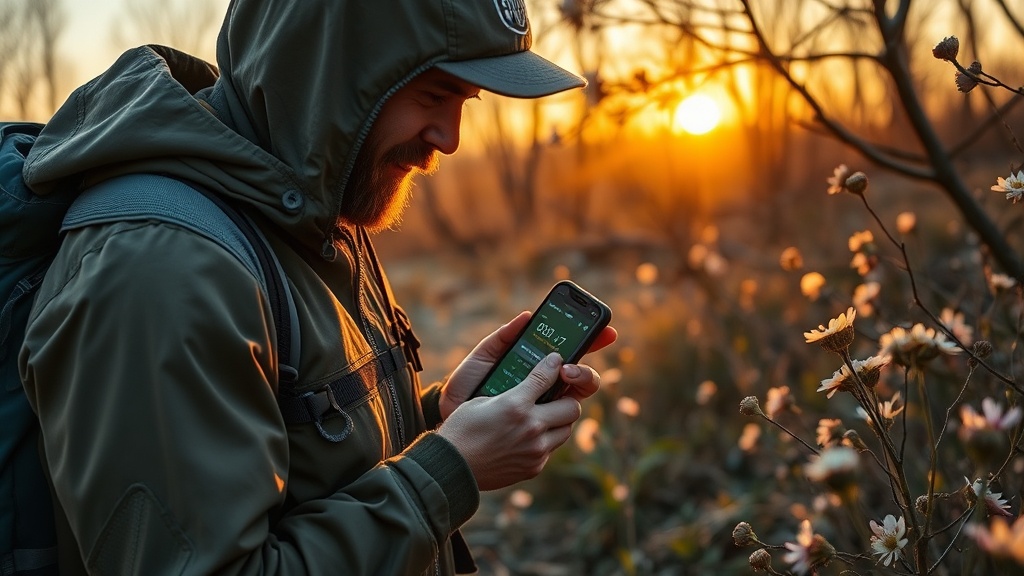
Spring Allergy Relief: Sync Your Circadian Rhythm and Bio‑Harmony Eating

Hook
Ever notice how a sunny morning hike feels easier when the pollen count is low? What if you could actually tame those sneezes by syncing your meals and light exposure to your body’s internal clock?
Context
Spring allergy season hits its peak in April, and for many outdoor enthusiasts, the relentless histamine assault can turn a trail‑blazing day into a sniff‑and‑sneeze marathon. Recent research from the National Institutes of Health links circadian rhythm disruptions to heightened immune responses, meaning the timing of your meals and light exposure can directly influence how hard your body reacts to pollen.
Body
What Is Circadian Rhythm and Why Does It Matter for Allergies?
Your circadian rhythm is the 24‑hour biological clock that governs sleep, hormone release, and immune function. Studies from the Journal of Allergy and Clinical Immunology show that misaligned circadian cycles increase histamine release, making allergy symptoms worse (NIH, 2025). Aligning your rhythm helps keep the immune system in check.
How Bio‑Harmony Eating Fits In
Bio‑harmony eating—timing meals to match your body’s natural metabolic peaks—was popularized in our 2026 Bio‑Harmony Eating guide. By eating larger, protein‑rich meals during daylight and lighter, plant‑forward meals in the evening, you stabilize glucose and cortisol, both of which modulate inflammation.
Practical Steps to Sync Meals, Light, and Allergy Relief
- Morning Light Reset (6–8 am) — Spend 15–20 minutes in bright, natural light right after waking. This cues the suprachiasmatic nucleus (the brain’s master clock) to set a robust rhythm. Tip: Keep a lightweight, polarized sunglasses handy to protect eyes while still letting in enough blue light.
- Breakfast Power‑Plate — Prioritize protein (eggs, nuts) and low‑glycemic carbs (oats, berries). Protein spikes amino acids that support the production of melatonin later in the day, smoothing the sleep‑wake transition.
- Mid‑Day Meal Timing (12–2 pm) — Aim for your largest meal when the body’s digestive efficiency peaks. Include omega‑3‑rich foods (salmon, chia) that have anti‑inflammatory properties proven to dampen histamine response (Harvard Health, 2024).
- Afternoon Light Break (2–4 pm) — If you’re on the trail, pause for a brief sun‑exposure window. Even on cloudy days, UV‑B penetrates enough to reinforce circadian signaling.
- Evening Light Downshift (after 7 pm) — Dim lights, avoid screens, and consider amber‑tinted glasses. This signals melatonin production, which helps lower cortisol spikes that can aggravate allergic inflammation.
- Dinner Light & Light — Keep dinner light and plant‑focused (leafy greens, legumes). Pair with a short walk to aid digestion and reinforce the evening light cue.
- Pre‑Sleep Routine — Aim for a consistent bedtime (7–8 am for early risers). Consistency is key; irregular sleep patterns have been linked to a 30 % increase in allergy flare‑ups (NIH, 2025).
Supplement & Lifestyle Hacks
- Local Honey — Consuming honey sourced from your region can introduce small pollen amounts, potentially building tolerance over time (Allergy.org, 2023).
- Nasal Irrigation — A saline rinse each morning clears pollen particles before they trigger the immune cascade.
- Air‑Filtering Gear — Use a lightweight, respirator‑grade mask on high‑pollen days; the Gear Lab tested several models and found the MightyMask offers 98 % filtration without sacrificing breathability.
Takeaway
By aligning your circadian rhythm with bio‑harmony eating, you give your immune system a predictable schedule, reducing histamine spikes when pollen is at its worst. Start tomorrow: catch the sunrise, power‑plate your breakfast, and keep your evening lights low. Your nose—and your trail‑blazing spirit—will thank you.
Related Reading
- Bio‑Harmony Eating: Sync Meals to Your Body Clock (2026) — Deep dive on meal‑timing fundamentals.
- Spring Sunrise Hike Routine: Boost Your Morning Wellness — How sunrise exposure fuels performance.
- Daylight Saving Time Reset: Expert Tips to Align Your Sleep Cycle — Practical sleep‑alignment hacks.
- Spring Gear Check: 5 Essential Tests to Ensure Trail‑Ready Gear — Pre‑season gear audit.
- Spring Digital Detox: Refresh Your Tech Habits for Better Well‑Being — Reducing screen‑time to improve circadian health.
Excerpt
"Sync your meals and sunrise exposure to tame spring allergies—field‑tested tips that cut histamine spikes and keep you on the trail."