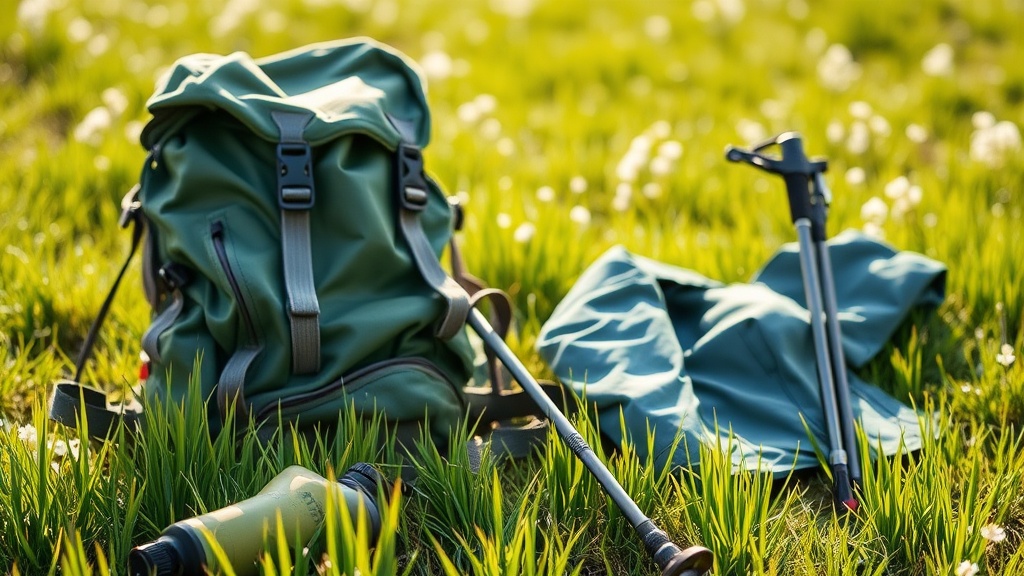
Spring Gear Check: 5 Essential Tests to Ensure Trail‑Ready Gear

Ever wondered why gear that survived last season suddenly gives out on a sunny March day? It’s not magic – it’s wear, moisture, and missed maintenance. In this guide, I’ll walk you through five practical tests you can run in under 30 minutes to make sure every piece of your pack is ready for the spring surge of trail miles.
What Are the Most Common Spring Gear Failures?
Before you start testing, know the usual suspects. From cracked backpack frames to water‑logged rain shells, these failures tend to surface when the snow melts and temperatures rise. Understanding them helps you spot issues early.
How Can You Perform a Quick Visual Inspection?
Grab a flashlight and a clean workspace. Look for these red flags:
- Frayed stitching on seams – especially on load‑bearing straps.
- Yellowing or stiffening of waterproof fabrics (DWR breakdown).
- Corrosion on metal buckles, zippers, and hardware.
- Cracks in hard‑shell frames or trekking pole tips.
When you spot any of these, note them for deeper testing. For a deeper dive on DWR care, see my Rain Shell Care 2026 guide.
Which Five Field Tests Reveal Hidden Weaknesses?
1. The Backpack Frame Stress Test – Does It Hold Up Under Load?
Load your pack with 20 % of your typical hike weight and walk 0.5 km on uneven terrain. Listen for creaks and watch for frame flex. If you hear any, compare results with my 5‑Minute Backpack Frame Stress Test guide.
2. The Zipper Pull Test – Will It Stay Closed?
Pull each zipper tab with a steady force of about 5 kg (use a kitchen scale). Any snagging or slippage means the teeth are worn. For a full zipper maintenance routine, check my Gear Maintenance Tools list (covers lubricants).
3. The Fabric Water‑Repellent (DWR) Test – Is Your Shell Still Breathable?
Sprinkle a few drops of water on the fabric. If droplets bead and roll off, DWR is intact. If they soak in, it’s time for a re‑treatment. I detail the best eco‑friendly DWR sprays in Eco‑Friendly Outdoor Gear 2026.
4. The Trekking Pole Flex Test – Are They Still Rigid?
Press each pole against a solid surface and watch for excessive flex. A compromised pole can snap under load. My Trekking Poles Failure article explains common break points.
5. The Cost‑Per‑Mile Check – Is the Gear Worth Its Wear?
Calculate the total cost of the item divided by the miles you expect it to last. Use the spreadsheet from my Cost‑Per‑Mile guide. If the cost per mile exceeds your budget threshold, consider swapping it out before the season starts.
How Do You Document and Track These Tests?
Keep a simple log: item name, test date, result, and any corrective action. I store mine in a Google Sheet that auto‑calculates cost‑per‑mile and flags items needing replacement. Consistent logging turns ad‑hoc checks into a reliable maintenance routine.
What’s the Next Step If Something Fails the Test?
Don’t panic. Here’s a quick decision tree:
- Minor Issue (e.g., loose stitching): Repair with a strong field‑seam tape or a small patch.
- Major Issue (e.g., cracked frame): Replace the component or the entire pack if the damage compromises safety.
- Cost‑Per‑Mile Too High: Sell or trade the item, then invest in a higher‑value alternative.
For modular backpacks, see my Best Modular Backpack Systems 2026 for upgrade options that maximize durability per dollar.
Takeaway
Spring is the perfect time to run these five quick tests, log the results, and decide whether to repair, replace, or keep your gear. A few minutes now means fewer broken straps and costly replacements later, and you’ll know exactly how many miles each piece is truly worth.
Related Reading
- Best Hiking Gear 2026 Lists: The Failure‑Test Filter — a curated list of gear that passed rigorous durability checks.
- Outdoor Gear Recall Roundup 2026 — make sure none of your items are on the recall list.
- 5 Must‑Have Gear Maintenance Tools — the toolbox you need for all these tests.