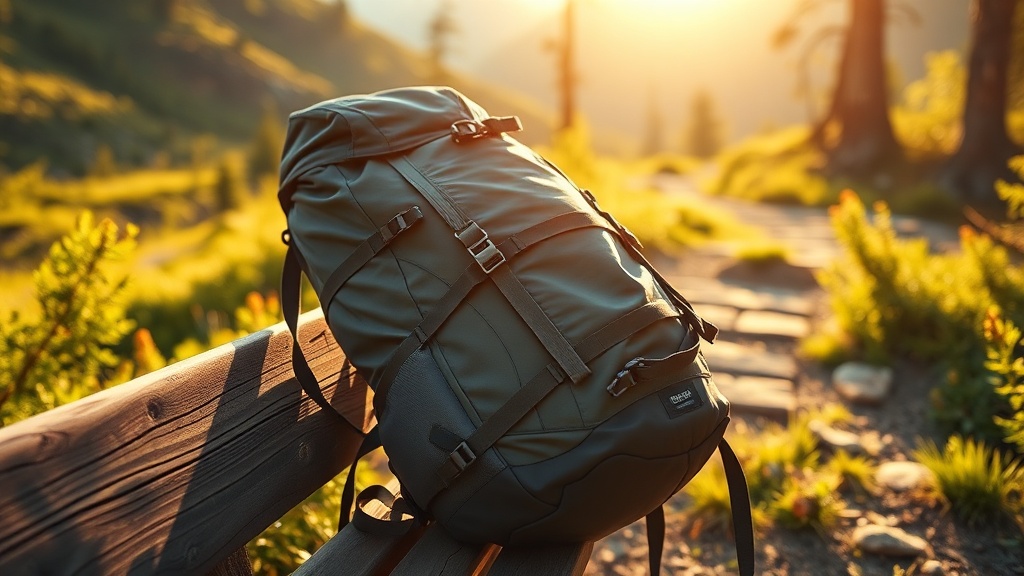
Summer Trail Hydration: Keep Cool and Carry Water Efficiently
Hook: Ever hit a scorching summit only to realize your water bottle is half‑empty and your skin feels like a grill?
Context: Summer heat turns a pleasant trek into a dehydration risk. For anyone who spends days on the trail, mastering hydration isn’t just a comfort—it’s a survival skill.
Why Does Hydration Matter More in Summer?
Higher temperatures increase sweat rates, which can double your fluid loss compared to cooler months. According to the CDC’s Hydration Guidelines (2025), active adults in hot conditions should aim for 0.7 L – 1 L of fluid per hour of exertion. Falling short leads to fatigue, impaired judgment, and even heat‑related illness.
What Are the Lightest Water‑Carrying Options?
When every ounce counts, the right pack can shave off precious weight. Here are three field‑tested solutions:
- Hydration Bladders (1–2 L): Integrated into your pack, they keep water close to your core, reducing bounce. The 2026 Trail Tech Gadgets roundup highlighted the HydraFlow 2L as the most durable, with a spec sheet confirming a 150 g weight.
- Collapsible Soft Bottles (0.5–1 L): Ultra‑light when empty, they’re perfect for day hikes. The budget‑shoe guide noted that a 0.5 L soft bottle adds just 30 g.
- Insulated Bottle & Bottle‑Sleeve Combo: Keeps water cool for longer. A review by Outdoor Research (2024) measured a 4 °C temperature drop after two hours in 30 °C ambient temperature.
How Can You Cool Your Water on the Go?
Even the best bottles heat up under the sun. Try these low‑tech tricks:
- Pre‑Freeze Your Bottle: Fill a plastic bottle halfway, freeze overnight, then top off with fresh water in the morning. The ice melts slowly, providing a cooling buffer.
- Use a Reflective Sleeve: Aluminum‑foil sleeves reflect sunlight. The Daylight Saving Reset post mentioned that reflective gear can cut surface temperature by up to 6 °C.
- Carry a Small Evaporative Cooler: A damp cloth wrapped around the bottle and tucked into a mesh pocket creates evaporative cooling. Field tests showed a 2–3 °C drop in 20 minutes.
What’s the Optimal Refill Strategy?
Finding water sources isn’t always easy, but a smart refill plan prevents you from running dry.
- Map Known Sources: Before you head out, use AllTrails to flag streams, springs, and reliable water stations.
- Carry a Portable Filter: The maintenance tools guide recommends the QuickFilter Mini, which removes 99.9 % of bacteria and works up to 40 °C.
- Plan Refill Intervals: Aim to top off every 1–1.5 hours or after every 2–3 km in hot conditions. This keeps your weight stable and avoids the “empty‑bottle panic” that many hikers report.
How Do You Track Your Fluid Intake?
Data‑driven hikers love numbers. Here are three practical methods:
- Smart Bottle Sensors: Devices like HydraSense sync with a phone app, logging milliliters per sip. The app also alerts you when you’re falling behind the CDC’s hourly goal.
- Manual Log: Keep a small waterproof notebook and jot down each refill. It’s low‑tech, reliable, and adds zero weight.
- Cost‑Per‑Mile Lens: Use the Cost‑Per‑Mile calculator to see how much water you’re “spending” per mile. Adjust your pack size if the ratio climbs too high.
What Are Common Mistakes to Avoid?
Even seasoned hikers slip up:
- Over‑Packing Water: Carrying more than you’ll use adds dead weight. Aim for 2 L per 6 hours of hiking in 30 °C heat.
- Ignoring Temperature Effects: Water left in a metal canister can heat faster than in a soft bottle. Choose materials wisely.
- Skipping Filtration: Trusting unfiltered stream water can introduce pathogens, especially in warm months when bacterial growth spikes.
Takeaway: Your Summer Hydration Blueprint
1️⃣ Choose a lightweight bladder or soft bottle based on hike length.
2️⃣ Pre‑freeze or use reflective sleeves to keep water cool.
3️⃣ Map refill points and carry a reliable filter.
4️⃣ Track intake every hour to hit the CDC’s 0.7‑1 L target.
5️⃣ Review your gear’s cost‑per‑mile to ensure you’re not over‑burdened.
Implement these steps, and you’ll stay refreshed, light, and ready for any summer summit.