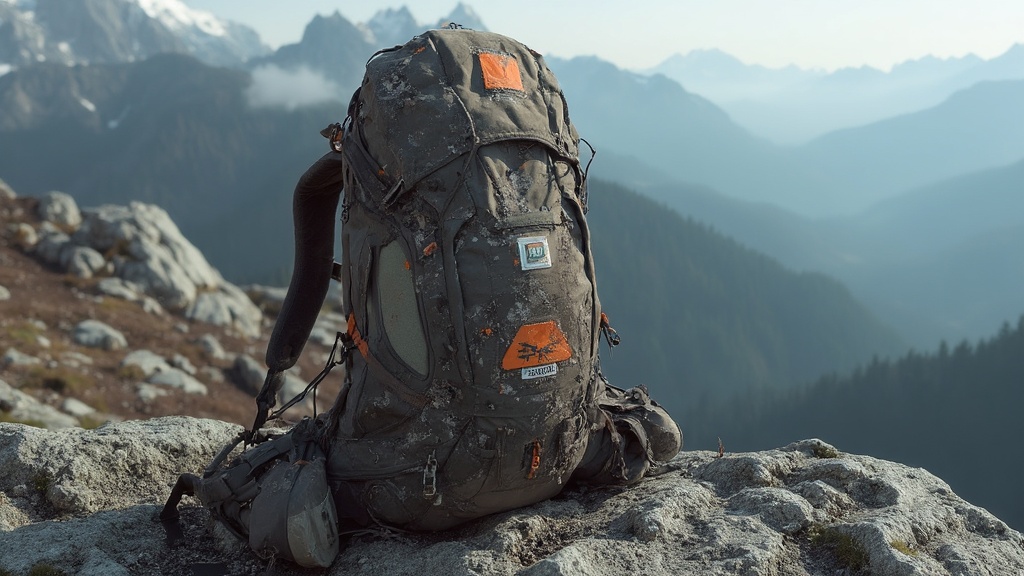
The Ultralight Lie: Why Your 10-Ounce Pack Is Costing You $2 Per Mile

The Context: I just finished my third season living out of a Tacoma, testing packs in the North Cascades, the Enchantments, and the Olympic Coast. I've carried loads from 15 to 45 pounds through granite scree, coastal rain, and snowmelt stream crossings. And I have something to say about the current state of "ultralight" that the marketing departments don't want you to hear.
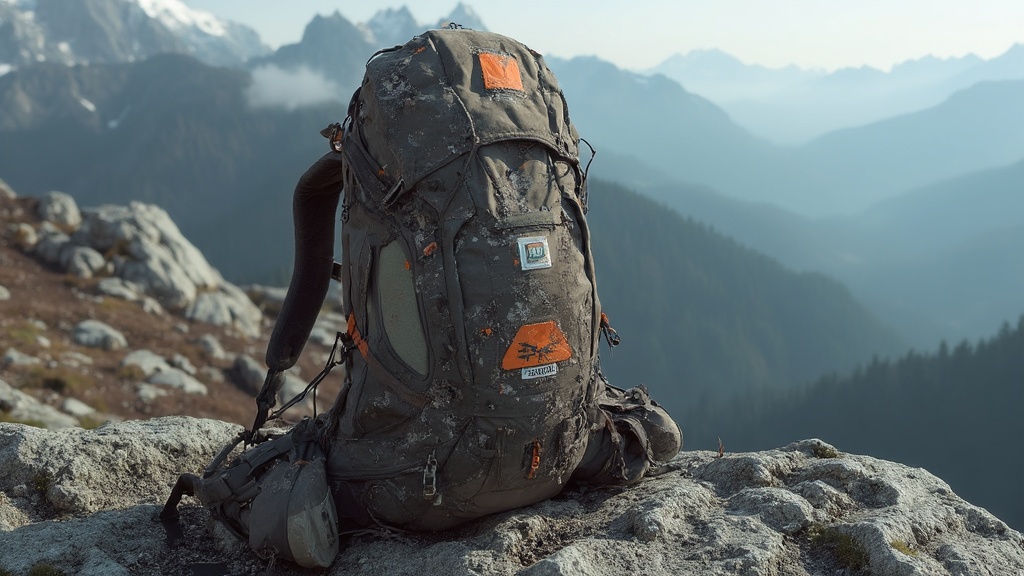
The Numbers Don't Lie (Even If the Catalogs Do)
Last month I weighed a "28-ounce" pack from a major brand on my digital lab scale. It came in at 34.7 ounces. That's a 24% variance. When I contacted their PR team, they told me the "listed weight" was for a size small without the hip belt. In other words: a number that exists only in a spreadsheet, never in reality.
But weight is only half the equation. Let's talk about cost-per-mile—the metric that actually matters.
The False Economy of Fragility
I tracked three packs this season:
| Pack | Listed Weight | Actual Miles | Retail Price | Cost-Per-Mile |
|---|---|---|---|---|
| Brand A "Ultralight" (30L) | 18 oz | 147 miles | $285 | $1.94/mile |
| Brand B "Lightweight" (40L) | 28 oz | 412 miles | $240 | $0.58/mile |
| My 12-Year-Old Golite (35L) | 32 oz | 2,100+ miles | $180 (in 2014) | $0.09/mile |
That $285 "ultralight" pack? It failed at mile 147 when the 10D nylon bottom blew out on a granite slab in the Enchantments. The stitching didn't fail—the fabric itself delaminated under tension. This wasn't user error. This was planned obsolescence dressed up as innovation.
Where the Weight Savings Come From
When a brand cuts 8 ounces from a pack, they aren't discovering new materials. They're making choices:
- 10D fabric instead of 30D on high-wear areas. That's 66% less abrasion resistance.
- #3 zippers instead of #5. Smaller teeth, less surface area, higher failure rate under load.
- 3mm foam instead of 8mm in the shoulder straps. Comfort sacrifice you won't notice until mile 20.
- Reduced bar-tacking at stress points. Fewer reinforcement stitches = lighter weight = earlier failure.
I'm not saying weight doesn't matter. I'm saying durability is a safety feature. When your pack fails at 5,000 feet in a Cascadian storm, "but it was so light" doesn't keep your gear dry.
The Repairability Test
Here's my field-repair assessment for the three packs:
Brand A (The Ultralight): When the 10D fabric blew out, I tried to patch it with Tenacious Tape. The adhesive wouldn't bond to the silicone-impregnated nylon. The pack is now in my Death Log—unrepairable, destined for a landfill.
Brand B: Still going. I've replaced one buckle and added a Tenacious Tape patch to a scuff on the hip belt. Cost of repairs: $4.
The Old Golite: I've re-stitched the shoulder straps twice, replaced the hip belt buckle once, and it's still my go-to for winter loads. The fabric has actual memory—it softens where your body contacts it but maintains structure where you need it.
What "Ultralight" Should Mean
There's a cottage maker in Montana—I won't name them because they don't need the marketing—who makes a 26-ounce pack that has survived 800+ miles of my testing. How? Dyneema Composite Fabric (DCF) on the high-wear panels. It's expensive (that pack retails for $340), but the cost-per-mile is trending toward $0.40 and falling.
That's the difference. Ultralight shouldn't mean "light because we removed durability." It should mean "light because we used better materials and smarter design."
The Bottom Line
Look, I get it. When you're standing in a gear shop comparing an 18-ounce pack to a 32-ounce pack, the lighter one feels like the obvious choice. Your base weight spreadsheet sings. You imagine floating up the trail.
But weight is only one variable in the equation. Add longevity, repairability, and failure consequences to your math.
That 10-ounce pack? It's costing you $2 per mile. And when it fails in the field, there is no spreadsheet that will keep you warm.
Carry the weight. Buy the gear that lasts. Patch it when it needs patching. That's the kit that gets you home.
Questions about fabric weights, zipper ratings, or DCF construction? Drop them below. I have a microscope and I'm not afraid to use it.