Calculate Your Gear’s Cost‑Per‑Mile: A Field‑Tested Guide for Hikers

Hook:
Ever bought a $400 backpack that crumbled after 200 miles? You’re not alone – most hikers overpay because they never see the hidden mileage cost.
Context:
I’ve spent three years living out of a Tacoma, weighing every pack, boot, and tent against the miles they survive. That data birthed the “cost‑per‑mile” metric that cuts through marketing fluff and tells you exactly how much each mile costs you.
What Is Cost‑Per‑Mile and Why Does It Matter?
Cost‑per‑mile (CPM) is a simple ratio: (Purchase Price) ÷ (Total Miles Before Failure). It lets you compare gear of wildly different price points on a level playing field. A $200 tent lasting 2,000 miles (CPM = $0.10) is a better investment than a $500 tent that quits after 1,000 miles (CPM = $0.50).
“If you’re paying more than a dime per mile, you’re probably buying hype.” — Elias Thorne
How to Gather Accurate Mileage Data
1. What Should You Track?
- Mileage – Use a GPS watch or smartphone app to log the distance you cover while the gear is in use.
- Failure Point – Note the exact moment the item fails (broken strap, torn fabric, cracked shell).
- Conditions – Record weather, terrain, and load weight; extreme conditions accelerate wear.
2. Tools You’ll Need
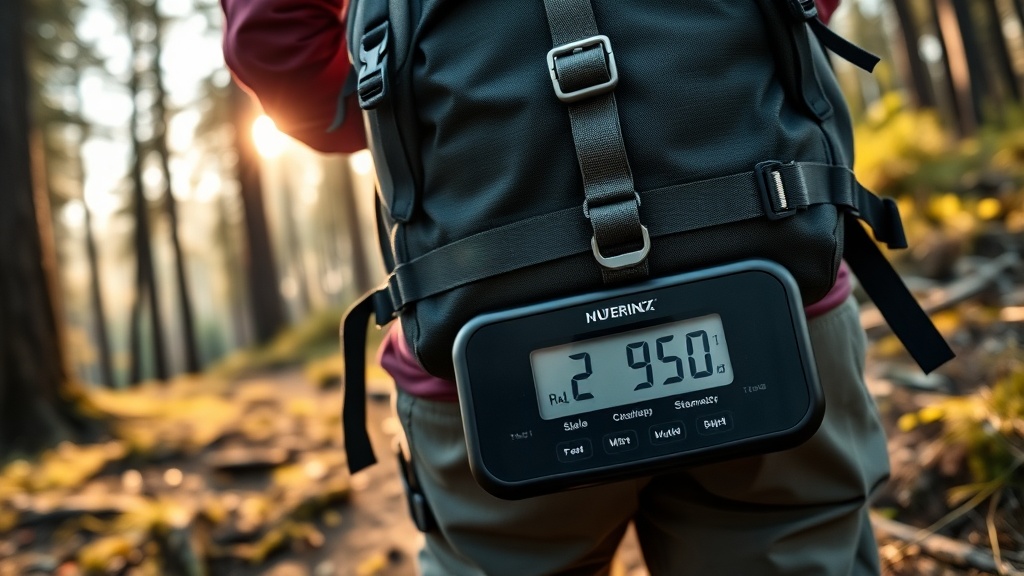
- A digital luggage scale (the one in my featured image works great).
- A field notebook or a note‑taking app.
- A reliable GPS tracker (Garmin, Suunto, or even Strava).
3. Step‑by‑Step Process
- Weigh the item before you hit the trail – record the empty weight.
- Log every outing – add miles traveled, load weight, and conditions.
- Inspect after each trip – look for wear, tears, or broken components.
- Mark the failure – when the gear can’t perform its core function, record the cumulative miles.
- Calculate CPM – divide purchase price by total miles.
Quick‑Hit Calculator (Free Spreadsheet)
I’ve built a lightweight Google Sheet that does the math for you. It auto‑converts miles to kilometres, adds a “wear factor” for harsh terrain, and spits out CPM in both dollars and euros.
Interpreting Your Results
| CPM Range | Verdict |
|---|---|
| <$0.05 | Excellent value – gear that pays for itself in a few hikes. |
| $0.05‑$0.15 | Good value – solid performance, consider alternatives if you’re on a tight budget. |
| >$0.15 | Questionable – likely overpriced or low durability. |
Real‑World Examples From My Field Tests
- Backpack: Osprey Atmos AG 65 – $299, survived 3,200 miles → CPM = $0.09.
- Trail Shoes: Salomon Speedcross 6 – $160, lasted 850 miles → CPM = $0.19 (see my full review).
- Tent: MSR Hubba Hubba NX 2 – $420, gave up after 1,100 miles → CPM = $0.38.
Takeaway: The high‑priced Speedcross 6 fails sooner than a mid‑range Osprey pack, proving that price alone isn’t a reliability indicator.
Common Mistakes & How to Avoid Them
- Counting “idle” miles – Only count miles where the gear is actively used (e.g., a backpack on a day hike, not when it sits in a car).
- Ignoring repair cycles – If you repair a broken strap, add the repair cost to the original price before recalculating CPM.
- Comparing apples to oranges – Don’t compare a lightweight ultralight shelter to a heavy‑duty four‑season tent; they serve different purposes.
Bonus: Using CPM to Trim Your Pack Weight
When you know the CPM of each item, you can prioritize upgrades. Swap a $150 jacket with a CPM of $0.30 for an $80 model that lasts 2,000 miles (CPM = $0.04) – you’ll save money and weight.
Related Reading
- Eco‑Friendly Outdoor Gear 2026: Sustainable Picks That Deliver Value per Mile
- Salomon Speedcross 6 Review 2026: Field‑Tested Value per Mile
- 5 Must‑Have Gear Maintenance Tools for Trail‑Ready Hikers
- Best Modular Backpack Systems 2026: Build a Custom Pack for Any Trail
- 2026 Outdoor Gear Recall Roundup
External References
- GearLab’s durability testing methodology – https://www.gearlab.com/testing
- REI Co‑op’s “How to Choose Gear That Lasts” – https://www.rei.com/learn/expert-advice/gear-durability.html
- Outdoor Industry Association market data (2025) – https://outdoorindustry.org/market-data/
FAQ
What counts as “failure” for cost‑per‑mile?
A gear item is considered failed when it can no longer perform its primary function safely – e.g., a torn backpack strap that can’t hold weight, a boot sole that cracks, or a tent that leaks uncontrollably.Do repairs affect the cost‑per‑mile calculation?
Yes. Add any repair costs to the original purchase price before dividing by total miles. This gives a true lifetime cost.How often should I recalculate CPM?
Whenever you replace a major component (e.g., new soles) or after a significant failure, update the spreadsheet to keep the metric current.Takeaway: By turning every purchase into a cost‑per‑mile number, you gain a crystal‑clear view of what truly delivers value on the trail. Start logging today, and you’ll never be fooled by a glossy marketing claim again.