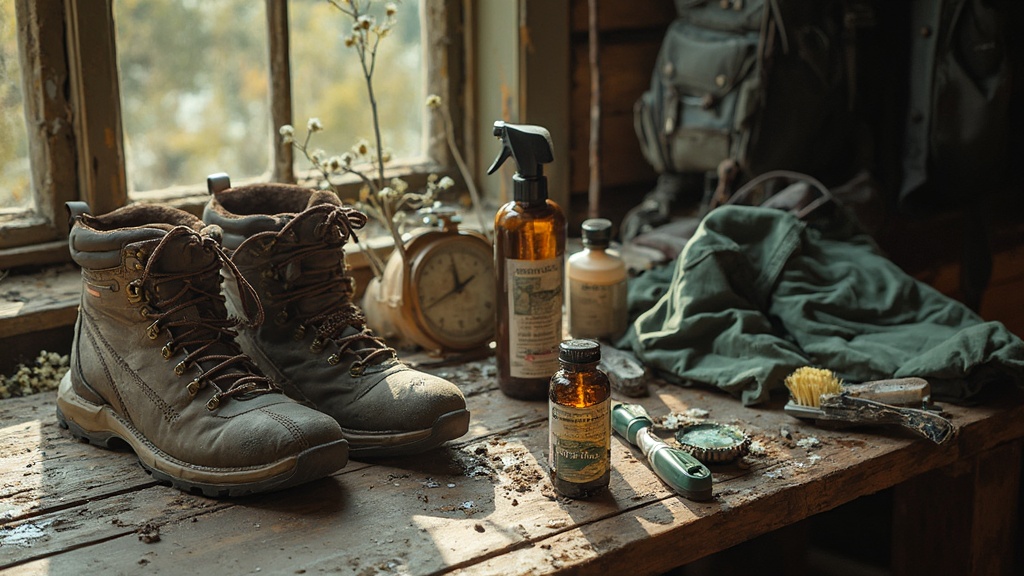
Spring Cleaning Outdoor Gear: A Step‑by‑Step Guide to Refresh, Inspect, and Store for Trail Season

Hook: Ever opened your winter‑stashed gear and found it smelling like a damp cave or, worse, ready to fall apart on the first ascent?
Context: With daylight saving time behind us, spring trails are calling, and a quick, eco‑friendly gear refresh can mean the difference between a smooth trek and a costly repair.
What Does a Proper Spring Gear Clean Look Like?
1. Why Clean at All?
Cleaning isn’t just about aesthetics. Dirt, sweat, and residual detergents degrade fabrics, compromise waterproof membranes, and add hidden weight. As I’ve logged over 10,000 miles, a clean kit consistently outperforms a neglected one in mileage per dollar.
2. Eco‑Friendly Cleaning Essentials
| Product | Why It’s Good | Where to Buy |
|---|---|---|
| Castile soap (unscented) | Biodegradable, gentle on DWR | REI |
| White vinegar | Restores water‑beading without harsh chemicals | Local grocery |
| Baking soda | Neutralizes odors in boots and pads | Any supermarket |
| Soft‑bristle brush (nylon) | Removes grit without tearing fabric | Patagonia |
| Micro‑fiber cloths | Lint‑free drying | Amazon |
Step‑by‑Step Gear Refresh
How to Clean Hiking Boots
- Remove laces and insoles – gives you full access to the tongue and eyelets.
- Brush off loose debris with a dry nylon brush.
- Mix a solution: 1 L warm water + 2 Tbsp unscented Castile soap.
- Scrub gently using the brush; avoid soaking the leather uppers.
- Rinse with a hose on low pressure – excess water can weaken adhesives.
- De‑odor: sprinkle baking soda inside, let sit 30 min, then shake out.
- Dry: stuff the boots with newspaper, place in a well‑ventilated area (no direct heat). Pro tip – a shoe‑dryer on low works, but watch for overheating.
How to Clean a Backpack
- Empty all pockets and shake out loose debris.
- Spot‑treat stains with a mix of 1 Tbsp Castile soap + 1 Tbsp white vinegar.
- Full‑wash: submerge the pack in a bathtub or large tub; use a soft brush to work the solution through seams.
- Rinse thoroughly – residual soap kills DWR.
- Reactivate DWR: lay the damp pack flat, spray a spray‑on DWR (e.g., Nikwax) and tumble‑dry on low (or hang in sun).
How to Clean Technical Apparel (Jackets, Pants)
- Check care label – follow manufacturer temperature limits.
- Turn inside out and zip all zippers.
- Wash on gentle cycle with Castile soap (no fabric softener, no bleach).
- Add ½ cup white vinegar to the rinse cycle to restore DWR.
- Air‑dry or tumble‑dry low if label permits. Heat re‑activates the DWR coating.
Inspection Checklist – Spot Problems Before They Fail
| Gear | What to Look For | Fix or Replace |
|---|---|---|
| Boot soles | Cracks, worn tread, hydrolysis (see my "Boot Sole Hydrolysis 2026" post) | Replace sole or retire boot if >30 % tread worn |
| Backpack seams | Frayed stitching, broken buckles | Reinforce with seam tape or replace buckles (see "5 Must‑Have Gear Maintenance Tools…") |
| Zippers | Skipping teeth, broken pull tabs | Lubricate with ziptac or replace pull tab |
| DWR coating | Water no longer beads | Re‑apply DWR spray (Nikwax, Grangers) |
| Gore‑Tex membrane | Visible punctures, delamination | Patch with Gore‑Tex repair tape or retire |
Storage Strategies for Spring‑Ready Gear
- Boots: store in a breathable canvas bag with silica packets; avoid airtight plastic which traps moisture.
- Backpack: hang by the straps in a cool, dry closet; keep the main compartment open to prevent mold.
- Apparel: fold loosely in a cotton storage sack; for down jackets, store in a compression sack with a dry‑bag liner to keep loft.
- Tools: keep your maintenance kit in a dry‑bag attached to your pack’s external pocket – you’ll thank yourself on the trail.
Printable Spring Gear Checklist
[ ] Hiking boots – clean, dry, inspect soles
[ ] Backpack – wash, rinse, re‑activate DWR
[ ] Jacket & pants – wash, vinegar rinse, dry
[ ] Replace worn webbing & buckles
[ ] Pack spare parts kit (thread, tape, epoxy)
[ ] Store gear in breathable bags with desiccant
[ ] Test all zippers and buckles
[ ] Perform a 5‑minute stress test on backpack frame (see my "5‑Minute Backpack Frame Stress Test" post)
Print this list, tick the boxes, and you’ll head out with confidence.
Related Reading
- 5 Must‑Have Gear Maintenance Tools for Trail‑Ready Hikers – the essential kit you’ll need for this cleaning routine.
- Rain Shell Care 2026: Stop Killing DWR in Your Laundry – deeper dive into DWR restoration.
- Boot Sole Hydrolysis 2026: The Garage‑Storage Failure Test – why proper boot storage matters.
- The Headlamp in Your Go‑Bag Is Probably Dead – quick battery‑check checklist for spring.
Takeaway
A disciplined spring clean, using eco‑friendly products and a solid inspection routine, extends the life of every piece of gear and trims your cost‑per‑mile. Grab the printable checklist, follow the steps, and hit the trail with gear that works as hard as you do.
Meta
- Excerpt: "Get your hiking boots, backpack, and apparel trail‑ready with eco‑friendly cleaning, thorough inspections, and smart storage in this printable spring‑gear checklist."
- FAQs:
- What eco‑friendly cleaner works best for waterproof jackets? Use unscented Castile soap followed by a white‑vinegar rinse; it removes grime without harming DWR.
- How often should I re‑apply DWR? Typically after every 5‑7 washes or when water stops beading.
- Can I store my backpack in a plastic bag? No – breathable storage prevents mold and fabric breakdown.